
How Lead Qualification Turns Interest Into Real Growth
How Lead Qualification Turns Interest Into Real Growth
When you’re a startup that’s been around for one to three years, you probably already have a website and maybe even a bit of budget for marketing. But if you’re not turning visitors into real customers, your growth will hit a wall. That’s where lead qualification comes in. It’s the process of identifying which potential customers are worth your time and which ones still need nurturing.
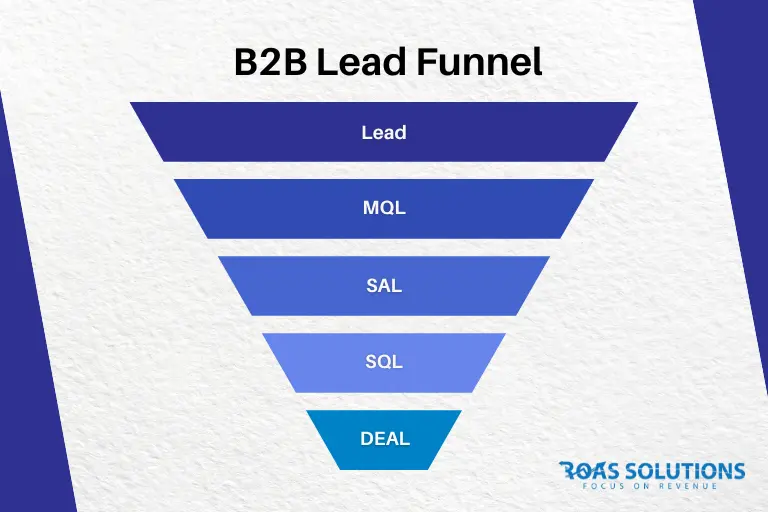
In this blog, we’ll walk through the key stages of lead qualification: Lead → MQL → SAL → SQL → Deal. By understanding these steps, you’ll learn how to create a marketing and sales funnel that actually works.
1. Lead
The customer journey starts with leads. A lead is someone who has already shown interest in your product or service by taking a specific action, such as downloading a resource, signing up for a newsletter, or submitting a contact form. This initial engagement indicates active interest rather than passive attention.
Lead qualification focuses on assessing the quality and intent behind that interest. Not every lead is immediately ready to buy, so the goal is to understand who fits your ideal customer profile and who is worth further nurturing. By qualifying leads early, you can prioritize the most valuable opportunities and use your time and resources more effectively.

2. MQL – Marketing Qualified Lead
A Marketing Qualified Lead (MQL) is someone who has interacted with your marketing in a way that suggests real interest. They’re not just a name in your CRM anymore. They’ve taken meaningful steps to learn about you.
Typical signs of an MQL include:
- They match your ideal customer profile: industry, company size, role, or problem you solve.
- They’ve engaged with multiple pieces of marketing content, such as reading your blogs, downloading resources, or following you on LinkedIn.
An MQL isn’t necessarily ready to buy, but they’ve shown enough engagement that it’s worth nurturing them further. This is where your marketing needs to deliver value. Think helpful content, educational posts, and case studies. For startups, this stage is all about building trust.
Your goal is to keep your brand top of mind until the lead is ready for the next step.
3. SAL – Sales Accepted Lead
The next stage is the Sales Accepted Lead (SAL). This happens when your marketing team passes a lead to sales, and the sales team confirms it’s worth pursuing.
The SAL stage is all about alignment. Marketing might generate a lot of leads, but if sales doesn’t agree they’re qualified, there’s a disconnect. To avoid wasting time, both teams should agree on what makes a lead “sales ready.”
Key checks at the SAL stage:
- Does the lead have the right contact details and authority?
- Does their company fit your target market?
- Do they have a need your product or service can actually solve?
If the lead passes these checks, sales accepts it as an SAL and begins personal outreach. If not, it’s sent back to marketing for more nurturing. Even for startups where marketing and sales are handled by the same person, defining this step helps maintain focus and efficiency.
4. SQL – Sales Qualified Lead

The Sales Qualified Lead (SQL) is the most valuable type of lead. At this point, the sales team has confirmed that the lead is not just interested but ready to buy.
SQLs usually meet four key criteria:
- Budget – They have the financial resources to make a purchase.
- Authority – You’re speaking with someone who can make or influence the buying decision.
- Need – They have a real problem that your product or service solves.
- Timeline – They’re planning to make a decision soon.
This is where your sales process really begins: demos, proposals, negotiations, and closing deals. For startups, reaching this stage is a big win because it shows your funnel is working and your marketing efforts are paying off.
5. DEAL
The deal stage is where all previous efforts come together. At this point, a qualified lead has moved through marketing and sales alignment and is ready to make a buying decision. Conversations are focused on final requirements, pricing, and agreement details rather than education or discovery.
This stage is about trust and clarity. The lead understands the value of your solution, and your role is to remove any remaining objections and confirm that your offering meets their needs. When everything aligns, the opportunity is successfully closed, turning a qualified lead into a customer and marking the start of a long-term business relationship.
Why This Process Matters
Many startups focus on getting more leads, but not on getting better leads. Without a structured qualification process, you can waste hours chasing contacts who will never convert.
Lead qualification matters because it:
- Keeps marketing and sales aligned with shared definitions and goals.
- Helps you prioritize the leads most likely to become paying customers.
- Gives you data to spot where people drop off in your funnel, so you can fix weak points.
- Builds a repeatable process that scales as your business grows.
Instead of throwing money at random ads or social posts, you’ll have a clear path from awareness to conversion. That’s how small companies grow sustainably.
Practical Tips to Get Started
Here are a few practical ways to start building your own lead qualification funnel:
- Define your ideal customer profile (ICP): Identify the industries, company sizes, roles, and problems you solve best. This helps you recognize which leads are most worth pursuing.
- Set clear qualification criteria: Agree on what makes someone an MQL, SAL, and SQL. Example: an MQL downloads a guide and visits your pricing page; an SAL requests a demo; an SQL has budget and authority confirmed.
- Use lead scoring: Assign points for engagement (website visits, form fills) and fit (industry, company size). When a lead reaches a certain score, hand it to sales.
- Track conversion rates: Measure how many MQLs become SALs, and how many SALs become SQLs. If numbers are low, review your criteria or improve your follow-up speed.
- Automate where you can: Use tools like CRM systems, email automation, and lead tracking. This saves time and ensures no lead falls through the cracks.
Even simple spreadsheets or free CRM tools can make a big difference when you’re just getting started.
Final Thoughts
For startups that already have a website but no clear marketing plan, lead qualification is one of the smartest strategies you can implement. It turns random interest into measurable progress and gives structure to your sales funnel.
Moving from Lead then MQL to SAL to SQL to DEAL, you build a process that filters, focuses, and drives growth. It keeps your marketing purposeful, your sales efficient, and your business sustainable.
Start small, stay consistent, and refine as you grow. Every qualified lead brings you one step closer to real customers and that’s where your return on marketing truly begins.